How to Store Furniture in a Storage Unit the Right Way
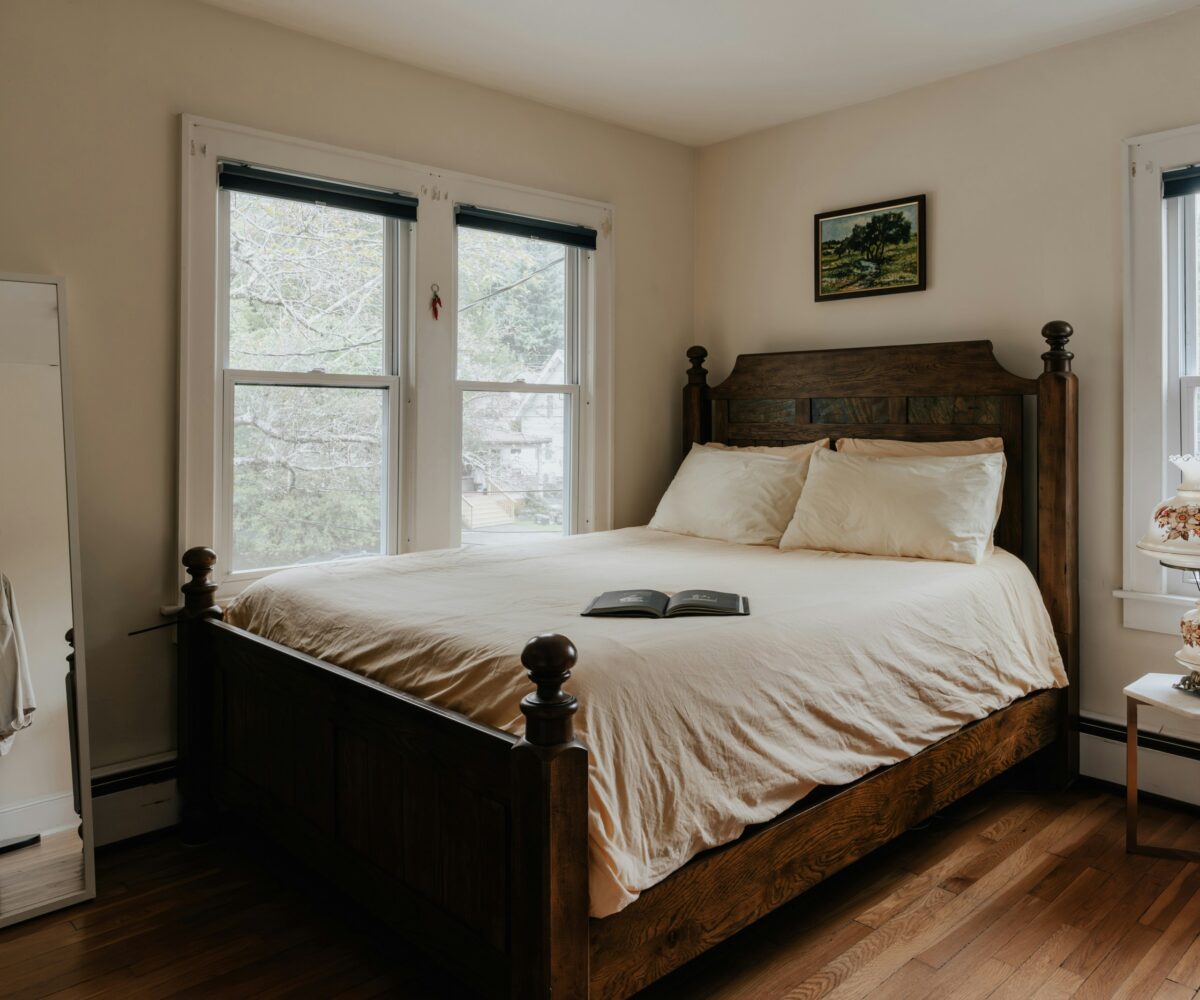
Furniture is one of the most expensive categories of household items to replace, and it is also one of the easiest to damage in storage when rushed. Scratches, warped wood, crushed cushions, and moisture damage usually come down to poor preparation and tight packing.
Storing furniture correctly is less about how much you can fit and more about how well items are protected while they sit.
Start With Preparation, Not the Unit
Before thinking about layout or stacking, furniture needs to be ready for storage.
Clean every surface thoroughly. Dust and debris can scratch finishes, while oils and residue can discolor upholstery over time. Upholstered pieces should be vacuumed completely, including seams and undersides.
Furniture should be fully dry before it enters the unit. Even small amounts of moisture can lead to odors or mildew during long storage periods.
Break Down What You Can Safely Take Apart
Large furniture stores better when it is not fully assembled.
Beds, dining tables, desks, shelving units, and modular furniture should be disassembled where possible. This reduces pressure on joints and makes pieces easier to position without forcing them into tight spaces.
Hardware should be placed in labeled bags and secured directly to the furniture it belongs to.
Use Protection That Matches the Material
Different materials require different protection.
Wood furniture benefits from padded blankets or furniture pads that prevent scratches while allowing airflow. Upholstered furniture should be covered with breathable materials like cotton sheets or moving blankets.
Avoid placing plastic directly against fabric or wood. Plastic traps moisture and can cause long term damage when used incorrectly.
Hot weather adds another layer of risk, especially for finishes and adhesives. Many people take extra precautions during summer storage, similar to those used when protecting belongings in extreme heat, which is why 6 ways to protect your self storage belongings during hot summer months resonates with so many furniture owners.
Build the Unit From the Walls In
Furniture should form the foundation of the unit layout.
Place heavier items like dressers, tables, and sofas along the walls to create stability. Lighter furniture and boxed items can be layered inward, but never stacked in ways that apply pressure to fragile surfaces.
Leave small gaps between large items to allow airflow and reduce moisture buildup.
Elevate and Isolate From the Floor
Concrete floors can transfer moisture and temperature changes into furniture over time. Elevating items even a few inches reduces that exposure.
Use pallets, shelving, or boards to lift furniture off the ground. This is especially important for wood furniture, upholstered pieces, and anything stored long term.
Choose a Unit That Allows Proper Spacing
Furniture storage fails most often when the unit is too small.
Forcing items into tight spaces increases the risk of scratches, warped frames, and crushed arms or legs. A unit should allow room to walk, reposition items, and access furniture without shifting everything.
For residents storing furniture during moves, renovations, or apartment transitions, the Towne Storage West Valley City location offers unit sizes that support safe layout and easy access.
Furniture storage is especially common during apartment changes, when layouts shrink or roommates change. Storage often becomes part of making smaller living spaces work, which is why self storage is the best solution for apartment living continues to resonate with renters navigating limited square footage.
Plan for Access, Not Just Storage
Think ahead about what you may need to retrieve.