Buying vs. Building a Home

Main WP • November 1, 2023

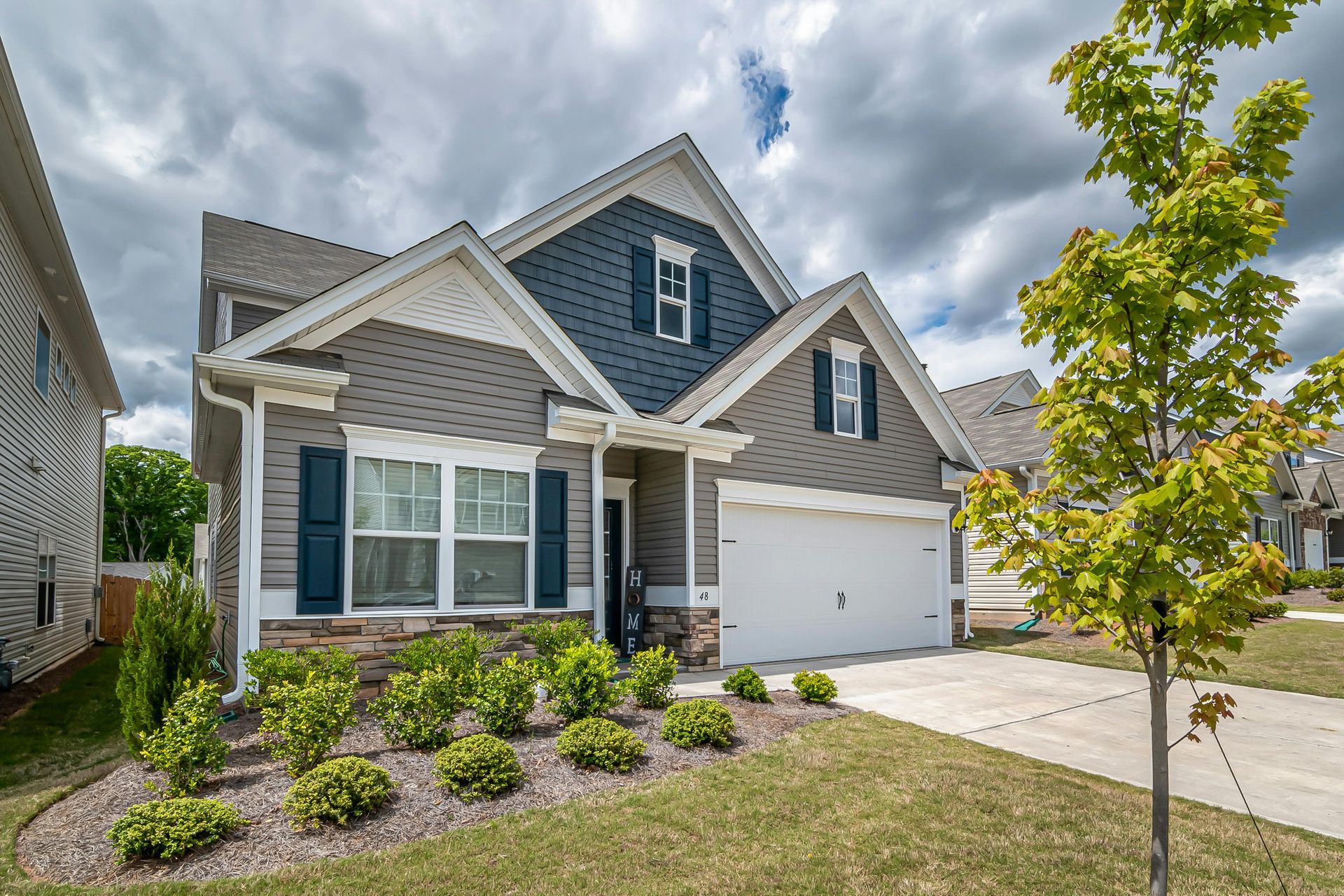
In 2022, the United States experienced a rise in demand for housing. As 2023 is ending and 2024 is quickly approaching, housing market predictions say that housing prices will soon be going down. This will hopefully make home ownership a little more affordable when in conjunction with higher pay rates and availability.


You may be wondering whether it will be better to build a home or buy an existing one. To assist in that decision, we will be discussing the benefits and disadvantages of each option.


Existing Homes

One of the biggest benefits of purchasing an existing home is cost. This budget-friendly option is perfect for those who would like to move in on a shorter timeline and generally have established communities. Interest rates are also significantly lower when purchasing an existing home.


Existing homes also have some drawbacks, though these are not necessarily a deal breaker. The ability for customization in your home will be limited to the existing building layout. There may be potentially hidden issues and needed repairs for older homes. It is highly recommended to have a detailed inspection completed before making a final offer. Depending on the home’s condition, you may also want to factor in maintenance and renovation costs.


Building a Home

Building a custom home can be an amazing experience. The ability to fully customize will open a wide variety of energy-efficient designs with the latest technology. With everything being new, you will know that repairs and renovations will be unnecessary. You will also have more control over the process of what materials will be used.


Of course, building an original home that perfectly fits your family will cost much more than an existing home – sometimes two to three times more. Construction loans often have higher interest rates, adding to this cost. Another drawback is the potential stress caused by long turnaround times, construction delays, and even supply shortages.


Other Considerations

Regardless of which route you wish to take, it’s important to consider where you would like your home. If you choose to build, is there land available? Zoning restrictions? What future developments are in progress over the next few years? This can be important if you want a rural area that won’t be so rural in the next ten to twenty years. What are your future needs? For older people, you may want to consider how many levels your house needs to be. Discussing factors like family size, work opportunities, and lifestyle preferences are all necessary considerations to take.


Whether you build or buy, know that Towne Storage has the right size unit for any transition into your homeownership. Visit us today at townestorage.com to find a great move-in special!


The post Buying vs. Building a Home appeared first on Towne Storage.
By Alicia Aguirre June 12, 2026
A crowded room or messy workspace can create stress even when the items themselves seem harmless. Let’s talk about the mental toll clutter takes on you.
By Towne Storage May 30, 2026
Running a small business often means wearing multiple hats, managing tight budgets, and finding creative ways to make the most of limited space. But as companies grow, one challenge that tends to surface quickly and often is where to keep everything. From extra inventory and equipment to marketing materials and seasonal supplies, many business owners find themselves running out of room long before they're ready to invest in larger commercial space. That's one reason more and more entrepreneurs are turning to self-storage as a practical, affordable solution. Here are seven reasons self-storage has become an increasingly popular tool for small business owners. 1. It Costs Less Than Expanding Commercial Space Leasing additional office, warehouse, or retail space can be expensive. But many businesses don't actually need a larger storefront or office—they simply need somewhere to store items that aren't used every day. A self-storage unit provides this extra room, and at a fraction of the cost of expanding into a larger commercial property —thereby helping businesses control overhead while still accommodating growth. 2. It Helps Keep Workspaces Organized Cluttered offices , garages, and work vehicles can slow down productivity and create frustration. Self-storage allows business owners to move nonessential items off-site while still keeping them accessible when needed. So whether it's archived documents, trade show displays, excess inventory, or equipment, having a dedicated storage space helps create a cleaner, more efficient work environment. 3. It Provides Room for Growing Inventory Many businesses experience growth before they have the resources to move into larger facilities. Online sellers, retailers, and service-based businesses often need additional room for products, supplies, and inventory long before they need a bigger office. Self-storage offers a flexible way to accommodate growth without committing to expensive long-term commercial leases. 4. It Protects Valuable Equipment Landscapers, contractors, photographers, event planners, and countless other professionals rely on specialized equipment that can be costly to replace. Keeping tools, machinery, and business assets safe and secure in a self-storage unit can help protect them from theft, damage, weather exposure, and unnecessary wear while freeing up valuable space at home or in work vehicles. 5. It Helps Manage Seasonal Business Needs Many businesses experience seasonal fluctuations. For instance, landscapers may need extra room for winter equipment, retailers may need to stock up before the holidays, and event companies often rotate supplies based on the time of year. Self-storage provides a convenient place to help entrepreneurs like these keep seasonal items organized and out of the way until they're needed again. 6. It Creates Flexibility for Home-Based Businesses More entrepreneurs than ever are running successful businesses from home. While working from home offers plenty of advantages, spare bedrooms, garages, and basements can quickly become overwhelmed with inventory, supplies, documentation, and equipment. A storage unit helps home-based business owners maintain a professional operation without sacrificing living space. 7. It Allows Businesses to Grow at Their Own Pace Another of the biggest advantages of self-storage is flexibility. Businesses can rent the amount of space they need today and adjust as their needs change tomorrow. Rather than making a major financial commitment to larger facilities, entrepreneurs can scale gradually, preserving cash flow while still supporting growth. A Simple Solution for a Common Business Challenge So whether you're a contractor using self-storage for tools and materials, a landscaper storing equipment and seasonal gear, a realtor keeping signs, staging items, and marketing materials organized or an online seller using units as affordable mini warehouses for inventory and shipping supplies, self-storage can provide a number of practical ways to reduce clutter, stay organized, protect valuable equipment, and create room for growth. At Towne Storage, we’re proud to make all that and more possible with clean, secure, affordable, and conveniently located storage units, along with our signature 12-month rate-lock guarantee that helps business owners plan ahead with confidence.