Stack Smarter, Not Higher: How to Keep Storage Boxes Stable and Organized
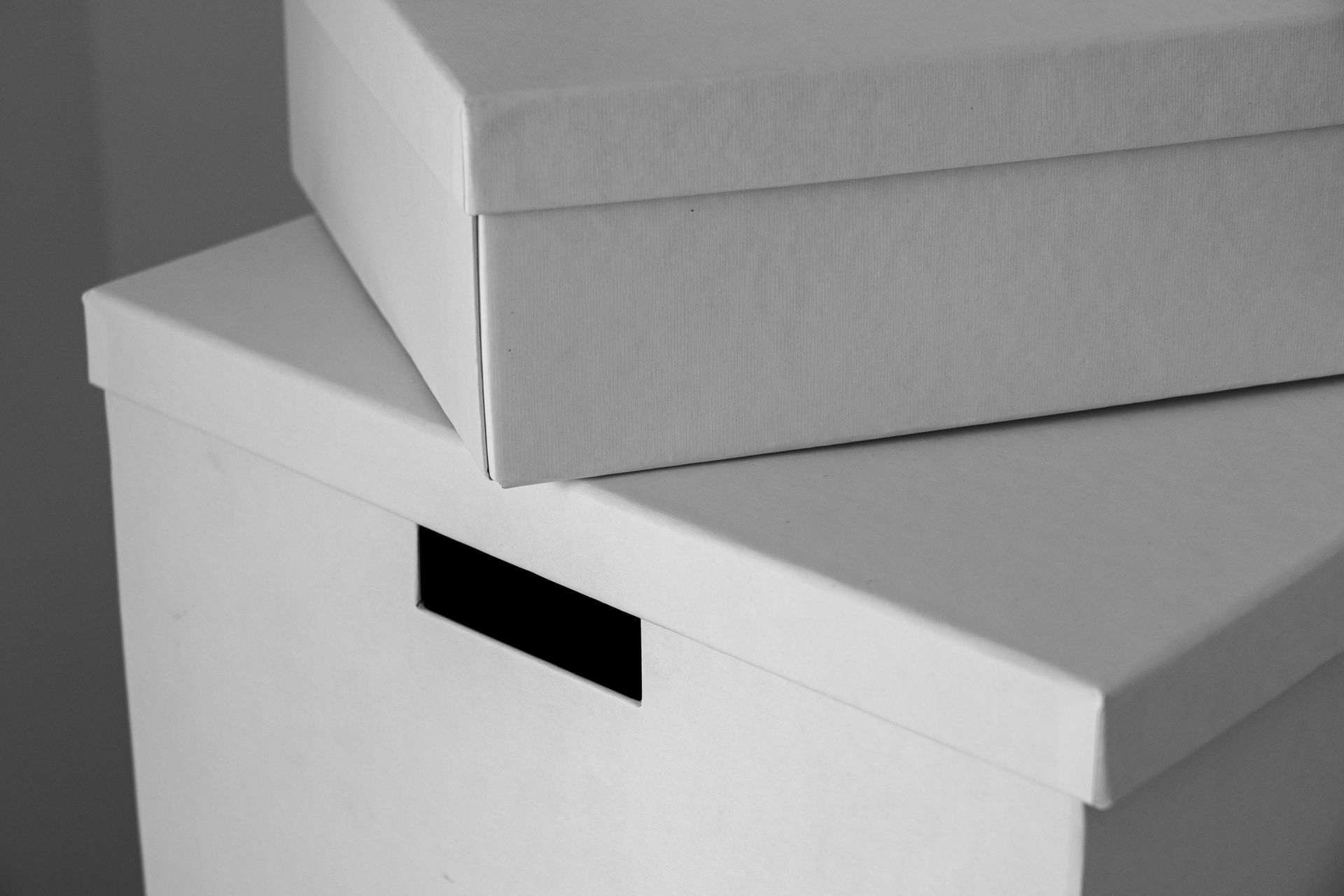
Stacking boxes seems straightforward until the bottom carton starts collapsing or you realize the container you need is buried beneath everything else. Learning how to stack boxes in a storage unit means paying attention to weight, container strength, and the layout of your space. A few decisions made before loading can prevent damage and save considerable rearranging later.
At Towne Storage, we offer storage options in Utah and Nevada for household belongings, moving boxes, and seasonal items. Whether you're clearing out an apartment or storing belongings between moves, planning your stacks before filling the unit makes it easier to protect your possessions and reach what you need.
Start With Boxes That Can Handle the Weight
Not every cardboard box is suitable for stacking. Containers that have been used repeatedly, exposed to moisture, or weakened along their corners are more likely to collapse under pressure. Before packing, inspect each box for soft spots, torn seams, and damaged flaps. Choose sturdy moving boxes designed for the weight of their contents. Double-wall cartons can be useful for heavier loads, but their actual weight ratings vary. Check the manufacturer's specifications rather than assuming every reinforced box can support the same amount.
Plastic storage bins are another option, especially for belongings that need additional protection from incidental moisture. Use containers designed for stacking, and check their load limits. Some bins have reinforced lids and interlocking bases, while others can buckle under relatively modest weight.
Why Consistent Box Sizes Matter
Boxes with similar dimensions are easier to arrange into stable columns. Their edges align, and the weight from the upper boxes can transfer more evenly through the containers below. A mixture of unusually shaped cartons makes stacking more difficult. Smaller boxes can slip between larger ones, while oversized containers may extend beyond the supporting surface underneath. Use a few standard box sizes when possible, and reserve irregular containers for separate spaces.
Put Heavy Boxes at the Bottom
The most important rule for stacking is to keep the heaviest containers closest to the floor. Boxes containing books, dishes, or dense household items should form the lower levels of a stack, provided they're packed within the box's weight rating. Lighter containers belong above them. Bedding, clothing, and other relatively lightweight belongings can occupy upper positions without placing excessive pressure on the boxes underneath.
Weight distribution matters within each container, too. Pack heavy objects toward the bottom and avoid concentrating the entire load along one side. A poorly balanced box can tilt even when the surrounding stack appears stable.
Don't Overfill Heavy Boxes
A large box packed entirely with books can become difficult to lift and may exceed its rated capacity. Smaller cartons are usually a better choice for dense belongings because they limit how much weight you can pack into one container.
Before sealing a box, make sure its top closes flat. Bulging lids create uneven contact between stacked containers and can weaken the cartons underneath. Fill empty spaces with appropriate packing material so the contents don't shift, but don't force the flaps closed.
How High Should You Stack Boxes in a Storage Unit?
There isn't one safe stacking height that applies to every storage unit. The answer depends on the strength of the containers, their contents, the stability of the stack, and the space available above them. A tall stack of lightweight, reinforced containers may be stable, while a much shorter pile of worn cardboard boxes can become unsafe. Follow the box manufacturer's stacking limits and any applicable facility rules rather than choosing a height based only on the ceiling.
You should also be able to retrieve belongings without pulling boxes from the middle of a tall pile. If reaching an upper container requires climbing on other boxes or balancing an unstable load, the stack is too difficult to access safely.
Keep Stacks Straight and Supported
Build stacks on a level surface and keep the containers aligned. Avoid placing boxes so their corners extend beyond the edges of the boxes underneath, as unsupported areas are more likely to bend. For most corrugated cartons, aligned vertical columns preserve the strength of the box corners better than an irregular arrangement. Keep each stack independently stable rather than relying on neighboring piles to prevent it from falling.
Don't lean heavy stacks against furniture, fragile belongings, or the unit door. Leave enough clearance to open the door fully and inspect the arrangement when you return.
Use Shelving When It Makes Sense
Freestanding shelving can be useful for renters who need regular access to their belongings. Instead of lifting several boxes to reach one container, you can organize smaller groups on individual shelves. Choose a shelving system rated for the weight you intend to store. The total capacity of the unit and the load rating of each shelf are different, so check both. Place heavier containers on lower shelves and keep the overall structure level and stable.
Before installing shelving, confirm that it complies with the facility's rules. Don't attach brackets or other hardware to storage unit walls without authorization. Freestanding units should be assembled according to their manufacturer's instructions.
Keep Boxes Away From Moisture
Cardboard loses strength when it becomes damp. Even a well-packed box can soften and collapse if moisture weakens its walls or bottom seams. Make sure the unit is clean and dry before loading. Where permitted, pallets or suitable raised platforms can separate cardboard from direct floor contact. Check that any platform is stable and capable of supporting the intended load.
For items that are sensitive to environmental changes, consider the type of unit you're renting. Our guide to choosing storage near Woods Cross, Utah provides additional considerations for selecting space, while our Woods Cross property on Pacific Avenue in North Salt Lake offers drive-up ground-level units. Climate control is worth evaluating for certain belongings, but it doesn't make weak cartons stronger or eliminate the need for proper packing.
Organize Your Storage Unit Around Access
A storage unit can hold plenty of boxes while still being difficult to use. The problem usually comes from arranging everything around maximum capacity instead of considering what you'll need to retrieve. Start by placing belongings you rarely need toward the back. Seasonal decorations, archived materials, and other long-term items can occupy less accessible positions. Boxes containing frequently used belongings should remain closer to the entrance.
Leave a walkway when the unit's dimensions allow it. You don't necessarily need a wide aisle through every section, but you should be able to reach important stacks without dismantling the entire arrangement.
Label Boxes Before Stacking Them
Write a clear description on at least two sides of each box. Include the room or category and enough detail to identify the contents without opening it. A label reading "Kitchen" may be sufficient during a short move, but "Kitchen: baking dishes and mixing bowls" is more useful when several similar boxes are stored together. Place labels where they'll remain visible after stacking.
Numbering boxes can also help. Keep a simple inventory on your phone or in a spreadsheet, with each box number matched to its contents. This is especially useful when storing household items for several months.
Stacking Boxes During an Apartment Move
Apartment moves often involve belongings that won't all be unpacked immediately. Some boxes contain essentials for the new home, while others hold furniture accessories, books, or items that won't fit the new floor plan. For renters in downtown Salt Lake City, this distinction matters when deciding what should remain in an apartment and what can go into storage. Our guide to self storage for downtown Salt Lake City apartments discusses when off-site space is useful, including our Urban Edge property at 350 W. Aspen Avenue, which offers indoor climate-controlled units.
When packing for a move, label boxes according to their destination and priority. Keep anything needed during the first few days separate from belongings intended for longer-term storage. This prevents unnecessary searching once the move begins.
Common Box Stacking Mistakes
Several packing habits make stored boxes more difficult to manage or more vulnerable to damage.
- Using damaged cartons as the foundation for heavy stacks.
- Placing large, heavy boxes on top of smaller, lightweight containers.
- Stacking beyond the manufacturer's recommended load capacity.
- Leaving labels hidden against neighboring boxes.
- Blocking the unit door with containers that might shift.
- Placing fragile belongings beneath boxes that could compress them.
These problems are easier to prevent while loading than to correct once the unit is full. Inspect each stack as you build it, especially if the boxes vary in size or weight.
Make Your Storage Layout Work Beyond Moving Day
Once everything is inside, check the arrangement before closing the door. Make sure stacks are stable, labels are visible, and frequently needed belongings remain accessible. If a container looks crushed or a pile is leaning, correct it before leaving.
At Towne Storage, we provide different unit configurations across our Utah and Nevada locations, including drive-up and climate-controlled options at select properties. You can
explore storage options from Towne Storage to compare available sizes and choose a space that accommodates your boxes without requiring unsafe stacking.