The Mental and Physical Impact of Clutter
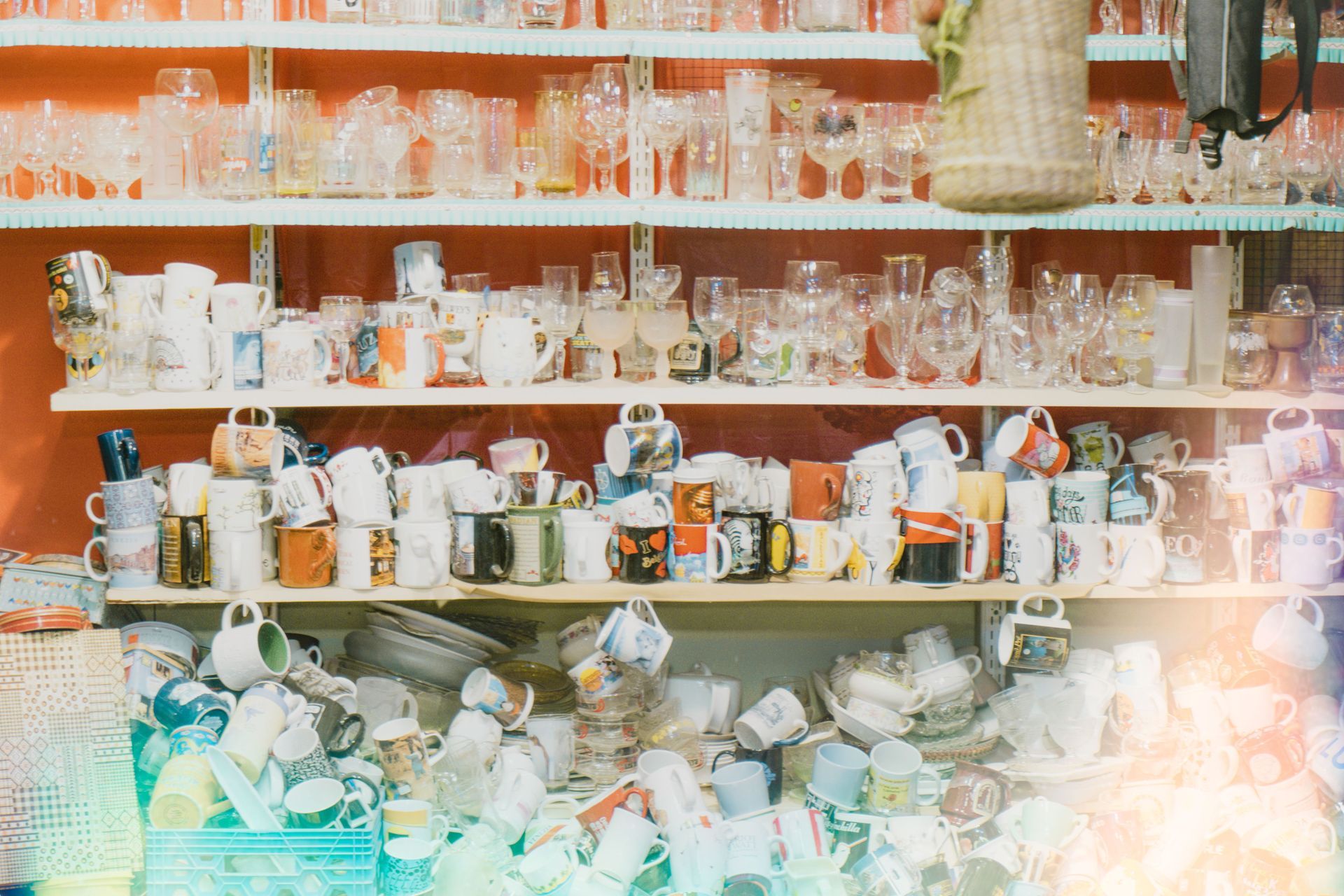
Clutter can affect how people think, feel, sleep, and use their home. A crowded room, full garage, overflowing closet, or messy workspace can create stress even when the items themselves seem harmless. The more clutter there is, the harder it can be to relax, focus, or feel comfortable in the space. Let’s talk about the mental toll clutter takes on you.
How Clutter Affects the Mind
A cluttered space gives the brain more information to process. Every visible item can act as a small reminder of something unfinished. Papers need sorting. Laundry needs folding. Boxes need moving. Closets need organizing.
Over time, those reminders can make a room feel mentally heavy. Even when someone is trying to rest, the surrounding mess may keep their attention pulled toward tasks they have not finished.
Clutter can also make normal parts of the day more frustrating. Searching for keys, paperwork, tools, clothing, or household supplies adds stress to moments that should be simple. A space that feels hard to manage can make the rest of the day feel harder too. For this reason, we recommend reviewing our guide about how to live clutter-free in your own space.
The Link Between Clutter and Stress
Many people feel more tense in a cluttered environment. A messy room can create a sense of pressure because it keeps showing reminders of things that still need to be handled.
This stress can show up as irritability, distraction, anxiety, or fatigue. For some people, clutter makes it harder to feel settled at home. Instead of walking into a room and feeling calm, they see decisions, chores, and unfinished projects.
Clearing even one high use area can make a noticeable difference. An open kitchen counter, organized entryway, or clean bedroom floor can help the home feel more manageable.
How Clutter Can Affect Focus
Clutter competes for attention. A desk covered with papers, cords, cups, and random items makes the brain work harder to filter out distractions.
This can affect productivity in home offices, kitchens, garages, and multipurpose rooms. When a space has too many items in view, it becomes harder to focus on one task at a time.
A more organized environment helps cut down on distractions. Clear work surfaces, labeled bins, and designated storage areas can make tasks feel easier to start and finish. If you’re interested in further insights about how storage can make a difference with clutter, read our guide on the matter.
Physical Effects of Clutter
Clutter can also affect the body and the safety of a home. Crowded rooms are harder to clean, which can allow dust and allergens to build up. Packed closets, stacked boxes, and blocked walkways can increase the risk of trips, falls, or injuries.
A cluttered bedroom may also interfere with sleep. Laundry piles, storage boxes, and visible mess can keep the mind active when the body is trying to rest. A calmer bedroom can make it easier to wind down at night.
Stress from clutter can also contribute to physical tension. Headaches, low energy, muscle tightness, and poor sleep may become more noticeable when a home feels overwhelming.
Why People Keep Too Much
Clutter often comes from practical or emotional reasons. People keep items because they may need them later, because they cost money, because they have sentimental value, or because they are tied to a future plan.
Seasonal decorations, sports equipment, family keepsakes, business supplies, tools, furniture, and moving boxes can all be useful. The problem comes when useful items take over the spaces people use every day.
When closets, garages, spare rooms, and countertops become crowded, the home becomes harder to use. Even valuable belongings can create stress when there is no clear place for them.
Simple Ways to Reduce Clutter
Start with one area that causes regular frustration. Choose a kitchen counter, entryway, bedroom floor, closet, desk, or garage walkway. Remove items that do not belong there and group similar belongings together.
Use simple categories:
- Keep items you use often
- Store items you use occasionally
- Donate or discard items that no longer serve a purpose
This keeps the process practical and easier to manage. A small area of progress can make the next area feel less overwhelming.
When Storage Helps
Some belongings are worth keeping but do not need to stay in the main areas of the home. Holiday decorations, camping gear, business inventory, family keepsakes, extra furniture, and recreational equipment can take up valuable space.
A
storage unit from Towne Storage can help make the home easier to use by moving occasional use items out of the way. With fewer boxes in the garage, fewer piles in closets, and fewer items crowding spare rooms, the home can feel easier to live in. Storage can also help during moves, renovations, downsizing, or major life changes. Having a dedicated place for belongings can reduce pressure inside the home and make organizing feel more manageable.