6 Tips for Using Self-Storage Between Homes
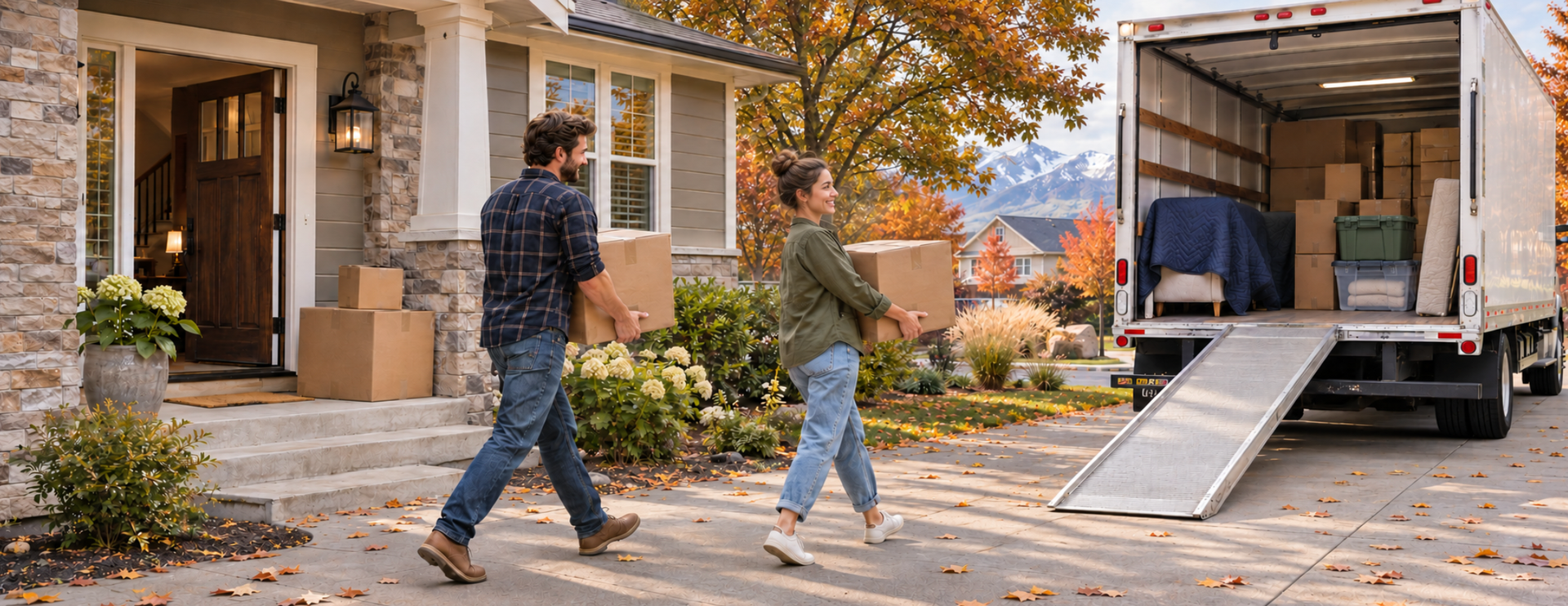
Your lease ends on Friday, but you can’t pick up the keys to your new place until Tuesday. Or maybe you’ve already closed on the sale of your home, and your builder just told you the new house needs another month. In either case, you’ve figured out where you’ll stay, but now, you just need to know where everything goes in the meantime.
A self-storage unit can help by giving your belongings a place to go between addresses. It can also help you move in at your own pace—especially if you’d rather unpack one room at a time or part of your new place is still being finished. Here’s how to plan for both parts of the move.
1. Set aside what you’ll need between homes
Pack for wherever you’ll be staying before you start filling moving boxes. Along with clothes, toiletries, and medications, think about what a normal week looks like. That might mean including school backpacks, work equipment, pet supplies, and a few kitchen essentials if you’ll be preparing meals. Keep your moving paperwork and anything you’ll need for closing or picking up the keys with you, too.
2. Choose a unit you can get things out of easily
Start with a rough box count and a general list of your largest items, such as mattresses, a sectional, or a workbench. If possible, also allow room for a walkway in your unit so you can access more of these containers and items more easily. And if you’re storing a particularly bulky piece, ask about the unit’s door width and how close a truck can get. Our storage unit size guide can help you narrow down your options.
3. Label boxes for the new house
The bookcase from your old living room might be going to the basement of your new place, and the linens from one hallway closet might be going to two different bathrooms. So be sure to clearly label boxes with their destination in mind, like “upstairs hall closet” or “main floor bathroom” or “basement family room.”
And if you’ll be making several trips, number each group of boxes and keep a list on your phone of each so you can check them off as they come home.
4. Load the unit in the order you’ll empty it
Once everything is pre-labeled, think about which rooms you’d like to get working on first once move-in day arrives. If it’s the kitchen and bedrooms, keep those boxes, mattresses, and bed frames closer to the entrance. And set aside anything you might need during the gap, like a change of seasonal clothes or the kids’ sports gear, in a different spot you can reach without shifting furniture.
5. Give unfinished rooms or an unfinished basement their own section
If the basement is still being finished or a room will be remodeled from the get-go, group everything destined for it in the rear of the unit. That way, the downstairs couch and bookcases can go straight where they belong when the work is done and be out of your way in the meantime.
The same idea works if you’re waiting to paint a bedroom or replace the flooring of your kitchen or a bathroom as you can get the rest of the house set up while keeping those rooms clear.
6. Plan both moving days before you book a truck
If you’re hiring movers, ask for a quote that covers both trips, including unloading into storage and loading everything back up. And if you’re renting a truck yourself, confirm gate hours for both days (as these can vary by location) and make sure you know where it will be best to park and unload.
It’s also worth checking how much notice you’ll need to give before you empty and close the unit—especially if your move-in date could shift again. In such cases, you’ll love that Towne Storage offers flexible no-contract month-to-month rentals, with a rate-lock guarantee that protects all our customers.