Keep Your Dresser in Good Shape: A Guide to Safe Furniture Storage
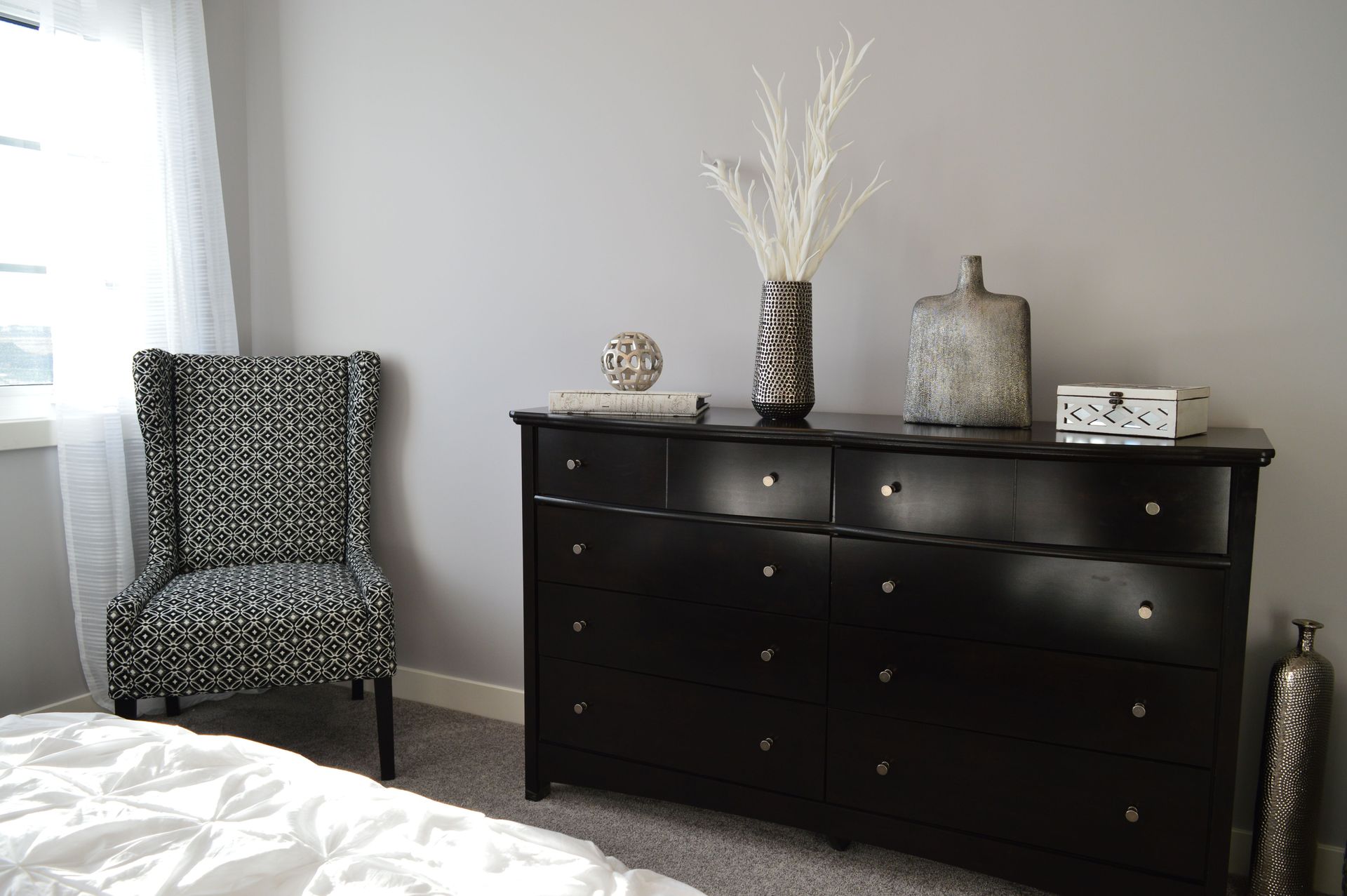
A dresser is one of those furniture pieces that seems straightforward to store until you have to move it. It's heavy, the drawers can slide open unexpectedly, and the finish is vulnerable to scratches when placed against other belongings. Wooden dressers also need some preparation before sitting unused for several months.
Knowing how to store a dresser in a storage unit starts with cleaning the furniture, deciding what to do with the drawers, and choosing a position that won't strain the frame. At Towne Storage, we offer storage options in Utah and Nevada for household furniture during moves, renovations, and other times when extra space is needed.
Empty the Dresser Before Moving It
The first step is to remove everything from the dresser. Clothing, accessories, and other belongings add unnecessary weight, especially when the furniture needs to be carried through doorways or down stairs. Empty drawers also reduce the risk of items shifting inside the dresser during transportation.
Pack the contents separately in clean boxes or containers. Clothing should be completely dry before packing, particularly if it will remain stored for several months. If you're keeping seasonal clothing in storage, label the containers so you can retrieve what you need without searching through every box.
Should You Remove Dresser Drawers for Storage?
Removing drawers is usually a good idea when transporting a heavy dresser. It reduces the weight of the main frame and prevents drawers from sliding open while the furniture is being carried. Some dressers have drawer stops or specialized slides, so check the manufacturer's instructions before attempting removal.
If the drawers come out easily, label them according to their original positions. Wrap each drawer separately and keep it close to the dresser inside the unit. For furniture with drawers that cannot be removed safely, secure them during transportation using suitable moving wrap around the exterior, without applying adhesive tape directly to the finish.
Clean the Dresser Before Putting It Away
Dust, fingerprints, and residue should be removed before the dresser goes into storage. Use a soft cloth and a cleaning product appropriate for the furniture's material and finish. Pay attention to drawer interiors, handles, and the back panel, where dust can accumulate unnoticed.
Avoid soaking wooden furniture or applying excessive cleaning products. Moisture can enter unfinished edges and joints, especially on dressers made with particleboard or other engineered wood materials. Allow the furniture to dry completely before covering it or moving it into a storage unit.
Check the Drawers and Hardware
Before packing, inspect the dresser for loose handles, damaged drawer slides, or unstable joints. Small problems are easier to address before the furniture is moved, particularly when a loose component could catch on protective wrapping.
If you remove handles or decorative hardware, place the pieces in a labeled bag. Keep the bag in a designated box with other furniture hardware rather than leaving it loose inside a drawer. Photograph unusual fittings before removing them so reassembly is easier later.
How to Wrap a Dresser for Storage
The right wrapping method depends on the dresser's material. Solid wood, laminate, and painted furniture have different surface finishes, but all benefit from protection against rubbing and accidental contact with other objects.
Clean moving blankets or padded furniture covers work well for protecting exposed surfaces. Wrap the dresser so the corners and edges are cushioned, particularly if it will be transported alongside other furniture. Avoid applying packing tape directly to wood, paint, or laminate because adhesive can leave residue or damage the finish.
Protect Wooden Dressers From Trapped Moisture
Wood reacts to changes in its surrounding environment. Prolonged exposure to unsuitable humidity conditions can affect joints, panels, and finishes. Covering the furniture with breathable material is preferable to sealing it tightly in plastic for extended storage.
Plastic stretch wrap can be useful for securing moving blankets during transportation, but it shouldn't trap moisture against the furniture. Remove unnecessary plastic wrapping once the dresser is positioned inside the unit. Make sure the furniture is completely dry before leaving it covered.
Protect Mirrors and Decorative Details
Some dressers have attached mirrors, glass panels, or decorative trim that require additional care. If the mirror can be removed according to the manufacturer's instructions, transport and store it separately with suitable padding.
Use a protective mirror carton or rigid padding to protect the glass. Store it upright only when it can be safely supported and secured against tipping. Decorative handles, carved corners, and raised trim should also be cushioned so they don't bear the weight of neighboring furniture.
Should You Store a Dresser Upright or on Its Side?
A dresser should normally be stored upright in its intended position. The frame is designed to support its weight through the base, and placing it on its side can put pressure on panels, drawer openings, or decorative components.
Keep the dresser on a level, stable surface and avoid resting it on its back unless the manufacturer specifically permits that position. If the furniture has tall legs or an unusually narrow frame, make sure it cannot tip when other belongings are moved nearby.
Keep the Dresser Off a Bare Concrete Floor
For longer storage periods, placing furniture on a clean, stable platform or suitable furniture supports can reduce contact with moisture that may be present on a concrete floor. Any supports should distribute weight evenly beneath the dresser's structural base.
Avoid balancing heavy furniture on narrow blocks or unstable pallets. The dresser needs consistent support, particularly if it has thin legs or a lightweight bottom panel. Leave enough clearance around the furniture to inspect it without dragging it across the floor.
Can You Stack Boxes on Top of a Dresser?
The top of a dresser might look like convenient extra storage space, but it isn't designed to support an unlimited amount of weight. Heavy boxes can damage the finish, place pressure on joints, or cause a thin top panel to sag over time.
If you need to use the surface, limit it to lightweight items and place a protective layer underneath them. Avoid stacking containers high enough to create a tipping hazard. For longer storage periods, keeping the top clear is the safer option, especially for antique furniture or dressers with delicate finishes.
Is Climate-Controlled Storage Better for a Wooden Dresser?
Climate-controlled storage is worth considering when storing wooden furniture for an extended period. Changes in temperature and moisture conditions can affect wood, veneers, adhesives, and certain furniture finishes.
At Towne Storage, climate-controlled units are available at select properties. Our Colt Plaza location in West Valley City, Utah, for example, offers climate-controlled storage at 2938 S. Glen Eagle Drive, near the Mountain View Corridor. This gives residents arranging furniture storage in the area a specific location to consider when comparing unit features.
Climate control doesn't replace proper preparation. A dresser that enters storage damp or poorly wrapped can still develop problems, so cleaning and drying the furniture remain important regardless of the unit type.
How Much Storage Space Does a Dresser Need?
The space required depends on the dresser's dimensions and the other belongings you plan to store. A compact three-drawer dresser takes up considerably less room than a long bedroom dresser with an attached mirror.
Measure the furniture's width, depth, and height before comparing units. Include any protruding handles or decorative features, and confirm that the dresser will fit through the unit entrance. Leave enough space to position it without scraping the walls or pressing it against heavier objects.
If you're storing a dresser alongside bedroom furniture, our guide to taking apart and protecting a bed frame explains how to reduce the space occupied by larger pieces. Disassembling the bed frame can leave more room for furniture that needs to remain upright.
Organize the Dresser Inside the Storage Unit
Place the dresser where it won't need to be moved repeatedly to reach other belongings. A position along a wall usually works well, provided the furniture remains stable and doesn't block access to frequently used items.
Keep the dresser's drawers and hardware together. If the drawers were removed, store them in a protected position where they won't be crushed by boxes or heavier furniture. Avoid placing sharp objects or exposed metal components directly against finished surfaces.
Leave Room for Seasonal Items
If you're storing furniture while reorganizing your home, you might also have boxes of decorations or seasonal belongings in the same unit. Keep these containers accessible rather than placing them behind heavy furniture.
Our guide to storing and rotating holiday decorations offers practical ways to organize seasonal items without unpacking an entire unit each time you need something.
Check the Dresser Before Bringing It Home
When you're ready to retrieve the dresser, remove its protective covering and inspect the furniture before loading it. Look for changes in the finish, loose hardware, and any signs of moisture damage.
Reinstall the drawers according to their original positions and check that they slide correctly. If handles or other fittings were removed, reattach them using the appropriate hardware. Give the furniture time to adjust to its new indoor environment before filling the drawers with clothing again.
Choosing Storage That Fits Your Furniture
A dresser stores best when it's clean, dry, properly supported, and protected from pressure. Keeping it upright and leaving enough space around the frame reduces the risk of scratches or structural damage while it sits unused.
At Towne Storage, our available unit sizes and features vary by property. You can
explore storage options from Towne Storage to compare locations and find a space that accommodates your dresser alongside the rest of your household belongings. For wooden furniture, checking climate-controlled availability is particularly worthwhile before arranging a longer rental.