15 Moving Tips to Make Your Move Easier Without the Last-Minute Stress
Moving involves more than packing your belongings into boxes. You have to decide what you're taking, figure out how to transport everything safely, and make sure your new place is ready when the truck arrives. Without a plan, small tasks can pile up during the final days before moving.
These 15 moving tips focus on the parts of relocating that tend to take the most time, from organizing your belongings to loading furniture. If your moving dates don't line up or you're downsizing, our storage options in Utah and Nevada offer a way to keep belongings out of the way until you're ready for them.
1. Start Planning Your Move Several Weeks Ahead
Give yourself enough time to handle the tasks that don't involve packing. Confirm your moving date, arrange transportation, and find out when you'll receive the keys to your new home. If you're renting, check your lease for move-out requirements and any rules about reserving elevators or loading areas.
Create a timeline based on your moving date. Schedule larger tasks first, including hiring movers or reserving a truck. Save smaller jobs, such as cleaning out cabinets and packing everyday belongings, for the final weeks. Having deadlines for each task keeps everything from landing on the same weekend.
2. Declutter Before You Start Packing
Packing belongings you no longer need wastes boxes, time, and truck space. Before bringing out the packing supplies, go through closets, cabinets, and furniture to decide what deserves a place in your next home.
Separate items you want to keep from those you plan to donate, sell, or discard. Furniture deserves particular attention because larger pieces affect your truck size and the space available in your new rooms. Measure anything you're unsure about before deciding to move it.
3. Gather Moving Supplies Before Packing
Running out of tape or boxes halfway through packing can interrupt your progress. Estimate how many boxes you'll need based on your belongings, then gather packing tape, protective paper, markers, and cushioning materials.
Choose smaller boxes for heavy items such as books and dishes. Larger boxes work better for lightweight belongings, including bedding and pillows. At Towne Storage, we also sell boxes and moving supplies, so you can check with your nearest facility if you need additional materials.
4. Pack the Rooms You Use Least First
Start with belongings that won't interrupt your daily routine. Guest bedrooms, decorative items, books, and seasonal clothing are reasonable places to begin. Leave your kitchen essentials, toiletries, and frequently worn clothing until closer to moving day.
Packing one room at a time also makes it easier to track your progress. Finish a section before moving to another area, and keep completed boxes together so they don't get mixed with belongings you still need to sort.
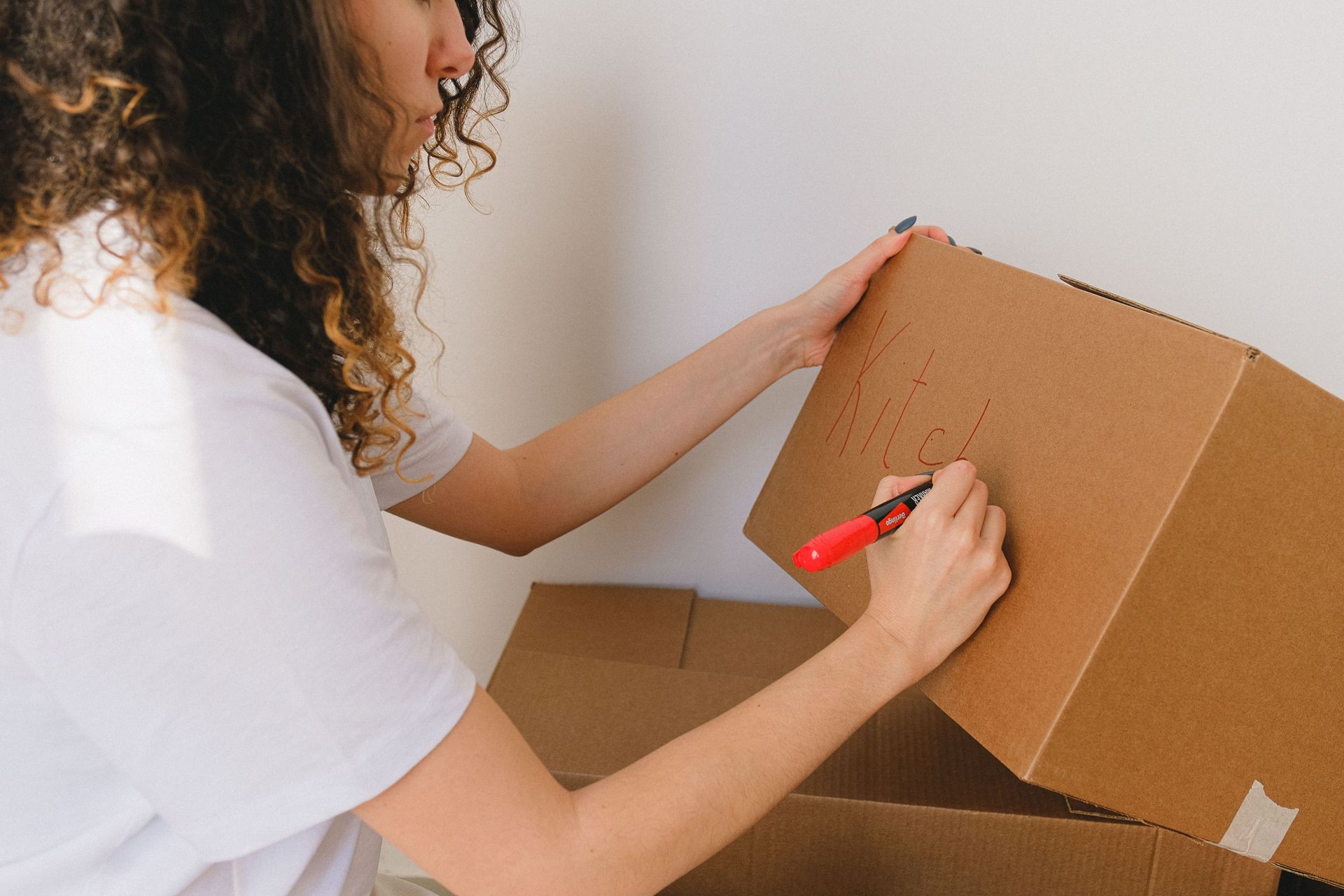
5. Label Boxes With Their Contents and Destination
Writing "kitchen" on a box tells movers where it belongs, but it doesn't help much when you're searching for your coffee maker. Include the destination room and a short description of what's inside.
For example, "Kitchen: coffee maker and mugs" is more useful than a general room label. Mark fragile boxes clearly and indicate which side should remain upright when necessary. If several people are helping with the move, consistent labels reduce the number of questions during unloading.
6. Keep Heavy Boxes Small and Manageable
One of the most useful moving tips is to avoid filling large boxes with heavy belongings. A box packed entirely with books may be difficult to lift safely, even if the cardboard seems sturdy enough.
Distribute heavier items among smaller containers and fill empty spaces with packing paper to prevent shifting. Close each box securely with packing tape, paying attention to the bottom seams. Before stacking packed boxes, check that the cardboard hasn't started bending under the weight.
7. Protect Fragile Items Individually
Glassware, ceramics, and delicate decorations need protection from contact with neighboring objects. Wrap fragile pieces separately and use cushioning material to fill gaps inside their boxes.
Plates are often safer when packed vertically with padding between them, rather than stacked flat under the weight of other dishes. Keep fragile boxes away from heavy furniture and equipment during transportation. If an item has an unusual shape or delicate attachments, consider using its original packaging when available.
8. Disassemble Large Furniture Before Moving
Bed frames, dining tables, and modular shelving can be difficult to maneuver through doorways when fully assembled. Taking apart furniture according to its manufacturer's instructions reduces the space it occupies and makes individual components easier to carry.
Photograph the furniture before disassembly and keep screws, bolts, and brackets in labeled bags. For detailed instructions on protecting different materials, our guide to disassembling and storing a bed frame explains how to organize components and prevent damage during storage.
9. Measure Furniture and Doorways in Advance
A sofa that fits comfortably in your current living room might not pass through the entrance to your next apartment. Measure large furniture before moving day, including its height, width, and depth.
Compare those measurements with the doorways, stairwells, and hallways at your new home. Remember that furniture sometimes needs extra clearance to turn around corners. If a piece won't fit, deciding what to do with it before moving day is much easier than making that decision while unloading a truck.
10. Pack an Essentials Box for Your First Night
Some belongings shouldn't disappear into the back of a moving truck. Prepare a clearly marked box or bag containing the items you'll need before unpacking everything else.
Include toiletries, medications, phone chargers, a change of clothes, basic cleaning supplies, and bedding. Keep important documents and valuables with you rather than placing them in an unattended moving truck. If you're arriving late, having these essentials accessible means you won't need to search through several boxes before going to bed.
11. Arrange Your Moving Truck Ahead of Time
The truck you choose should accommodate your furniture and packed belongings without requiring unsafe stacking. Estimate the space you'll need and confirm the rental arrangements well before your move.
We offer U-Haul truck rentals at Towne Storage, with availability depending on the facility. If you're planning a move around Salt Lake City or another community we serve, check the participating location's truck options and rental requirements before scheduling your moving day.
12. Load the Truck With Weight Distribution in Mind
Start by positioning heavy furniture and appliances according to the truck manufacturer's loading guidance. Distribute weight evenly, secure large pieces with suitable straps, and protect furniture surfaces with moving blankets.
Place sturdy boxes beneath lighter containers and avoid stacking heavy items on fragile belongings. Fill gaps where possible to reduce movement during transportation, but don't force boxes into spaces where they could crush other items. Keep anything you'll need immediately upon arrival accessible.
13. Use Storage When Your Moving Dates Don't Match
Sometimes your current lease ends before your next home is ready. You might also need extra time to paint, replace flooring, or decide where certain furniture belongs. A storage unit gives you a temporary place to keep belongings rather than moving everything into a crowded room.
At Towne Storage, we offer month-to-month rentals, and many of our properties have drive-up units for loading larger belongings. Availability varies by location. If you're arranging temporary storage, our guide to stacking boxes safely inside a storage unit explains how to organize containers without creating unstable piles.
14. Confirm the Details Before Moving Day
A few days before your move, confirm the truck reservation, moving crew, parking arrangements, and access instructions for your new property. If you're moving into an apartment building, verify any scheduled elevator time or loading restrictions.
Check that utilities are arranged for your arrival and that you've updated your address with important service providers. Keep your moving paperwork and reservation confirmations accessible on your phone or in a folder so you aren't searching through packed boxes.
15. Unpack the Rooms You Need First
Once you've arrived, resist the temptation to open every box immediately. Start by setting up beds, organizing the bathroom, and unpacking enough kitchen supplies for your first few meals.
Move boxes into their designated rooms as they're unloaded. Keep walkways clear, and break down empty cardboard as you finish each area. Furniture that needs assembly should be positioned before you fill the room with smaller belongings, especially if you'll need floor space to work.
Make Room for a More Organized Move
A successful move depends on knowing what needs to happen before the truck arrives. Sorting belongings early, protecting furniture, and keeping essential items accessible will save time during both loading and unpacking.
If you need temporary space between homes, you can
explore
storage options from Towne Storage to compare locations, available unit sizes, and access features. Choosing a space that fits your belongings and moving schedule gives you more flexibility when everything can't move on the same day.