What to Expect When Living in Logan, Utah
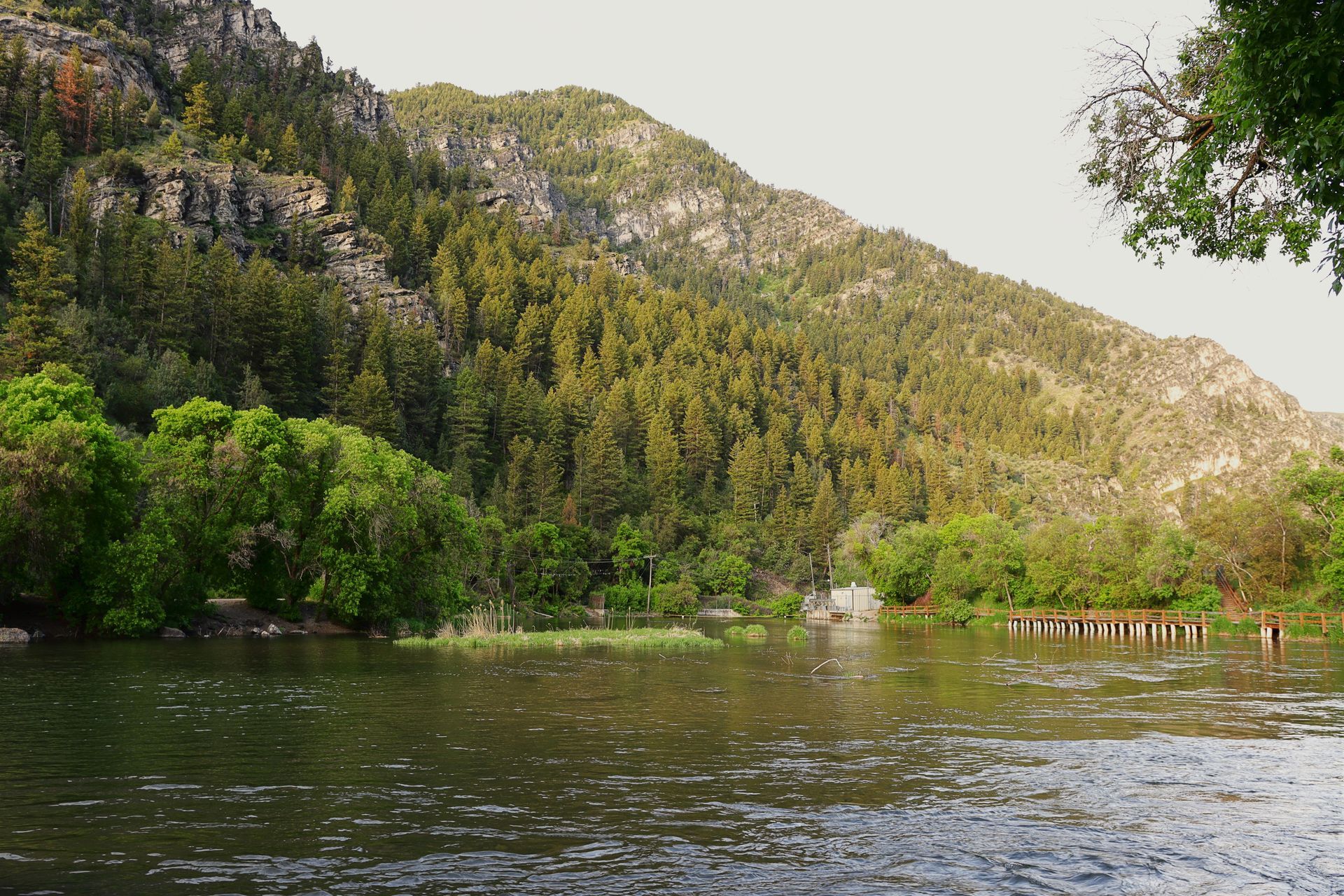
Moving to Logan puts you in the center of Cache Valley, with Utah State University, established residential neighborhoods, mountain recreation, and smaller surrounding communities all shaping daily life. It’s a different setting from the Wasatch Front, and that geography matters when you decide where to live, work, or study.
A move also reveals how much you actually own. If your new house, apartment, or student living arrangement doesn’t have room for everything immediately, looking at storage options in Logan before moving day gives you another place to keep furniture and boxes while you settle in.
Logan is the center of a larger Cache Valley community
Logan itself is only part of the picture. Nibley, Hyrum, Providence, River Heights, Mendon, Millville, Wellsville, and other Cache Valley communities surround the city, so choosing where to live isn’t necessarily a choice between Logan and somewhere far away. That matters when comparing homes or apartments. A place outside the Logan city limits may still keep you connected to shopping, employment, Utah State University, and services in Logan. Our South Cache facility, for example, is at 3939 S. 1200 W., south of central Logan and near Nibley.
Logan City also has several distinct neighborhood areas, including Adams, Bridger, Ellis, Hillcrest, Wilson, and Woodruff. If you’re researching a move, looking beyond a general “Logan” search and comparing individual neighborhoods is worthwhile.
Utah State University has a major presence
Utah State University is one of the most recognizable parts of Logan. That means the local housing market includes students alongside long-term residents, families, faculty, and university employees. For students, housing decisions also come with a practical question: what happens to furniture and household belongings between leases, during summer break, or while studying elsewhere? A smaller unit may be enough for boxes and personal belongings, while furniture usually requires more room.
At our South Cache property, units range from 5x5 to 14x30, and climate-controlled options are available. Students storing books, electronics, furniture, or other temperature-sensitive belongings can compare those options instead of automatically choosing the first open unit.
Getting around Logan and Cache Valley
A car is useful for many trips around Cache Valley, especially if you live outside central Logan or regularly travel between neighboring communities. Still, it isn’t the only option. The Cache Valley Transit District operates public transportation in the area, so anyone considering a move should check current routes against a prospective home, workplace, or campus rather than assuming every location will require the same transportation setup.
For people driving through the valley, US-89 and US-91 are important routes. Our South Cache location sits along the southern part of the Logan area, which is useful for households coming from communities such as Nibley and Hyrum without having to take stored belongings into the center of the city.
Outdoor space is part of living here
Logan’s location gives residents access to parks, trails, and nearby canyon recreation. Logan Canyon is one of the clearest local anchors, connecting the valley with outdoor destinations farther east. That access affects what people keep at home. Bikes, camping equipment, skis, fishing gear, and other seasonal items take up a surprising amount of garage or apartment space when they aren’t being used.
If recreational equipment starts competing with everyday belongings, separating seasonal gear from what you use every week is one way to reclaim room. Our article on the mental and physical impact of clutter looks more closely at why clearing unnecessary items from living areas can matter.
Housing deserves careful research
Housing costs in Logan have changed considerably over the past several years. A 2026 Utah public planning document discussing attainable housing reported a 2023 median value of $341,000 for owner-occupied homes in Logan and cited a 2025 median sale price of about $398,429. It also cited an average rent of $1,350 per month.
Those figures are useful context, but they aren’t quotes for what you’ll pay today. Asking prices vary by neighborhood, property type, lease terms, and current inventory, so prospective residents should compare current listings before building a moving budget.
A smaller home or apartment may also change the calculation. Paying for rooms primarily to hold belongings isn’t always necessary. Sorting what belongs at home, what can be donated, and what needs longer-term space gives you a clearer picture of how much living area you actually require.
Prepare for seasonal storage needs
Moving to Logan also means thinking about what you won’t use year-round. Patio furniture, recreation equipment, seasonal decorations, and other bulky belongings may spend months unused.
For items going away for an extended period, preparation matters more than simply filling boxes. Clean belongings before packing, use sturdy containers where appropriate, leave items you may need toward the front, and avoid packing a unit so tightly that nothing remains accessible. Our guide to safely leaving belongings in storage long term covers that process in more detail.
Make the move fit the way you’ll actually live
Logan offers a mix of university life, established neighborhoods, nearby communities, and easy access to Cache Valley recreation. Before signing a lease or buying a home, look at the location in practical terms: your route to work or campus, the space you’ll have, transportation options, and what you actually need to keep under your roof.
If the move leaves you with belongings that don’t need to follow you into every room, you can
explore
storage options from Towne Storage and compare locations and unit types before deciding what fits your move.